
Navigating Your 2026 PCS Move Options
A Permanent Change of Station (PCS) move is one of the most significant events in a military career. In 2026, the Department of Defense (DoD) has fully implemented the Global Household Goods Contract (GHC). This change moved most government-arranged moves under a single provider, HomeSafe Alliance. While this aims to improve quality, many families still consider the “Do-It-Yourself” route.
In military circles, people still use the term DITY move. However, the official name is now the Personally Procured Move (PPM). Both terms describe the same thing: you take responsibility for moving your own belongings. As a real estate professional, I see how this choice affects your move-in timeline and your wallet.
1. The Pros of a Personally Procured Move (PPM)
The primary reason families choose a PPM is control. When you manage the move, you own the schedule.
- Financial Profit: The government pays you 100% of the “Government’s Constructive Cost.” This is what it would have cost the DoD to move you. If you move for less than that amount, you keep the difference as a taxable profit.
- Scheduling Flexibility: You do not have to wait for a moving company to give you a “pack out” date. You decide when the truck arrives and when it leaves. This is vital when you are trying to coordinate with a specific home closing date.
- Better Care of Goods: You know exactly how your grandmother’s china is packed because you packed it. Research from USTRANSCOM shows that loss and damage claims are a top concern for military members. Moving yourself significantly reduces the risk of lost items.
2. The Cons of a Personally Procured Move (PPM)
While the profit is tempting, a PPM is a massive physical and mental undertaking.
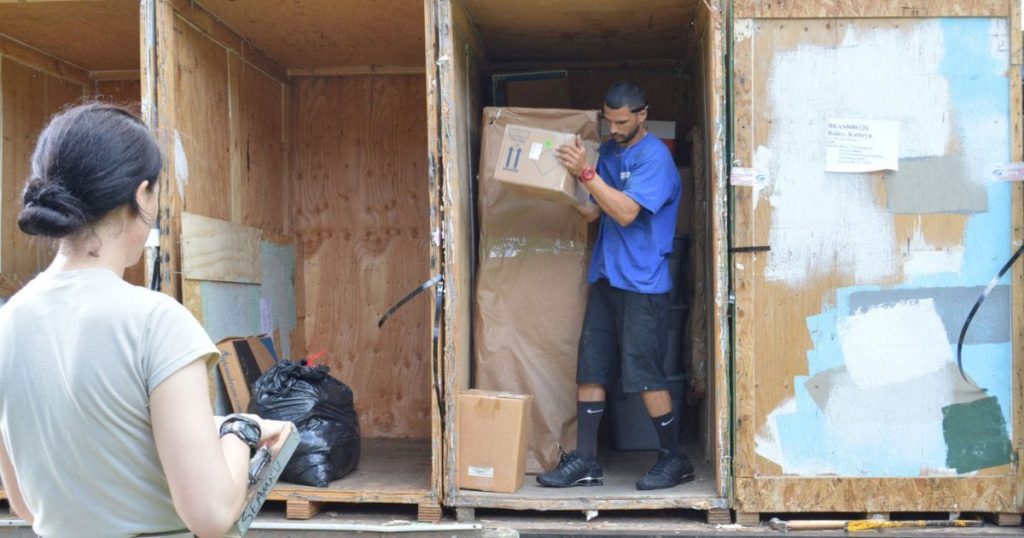
- Physical Labor: You are responsible for every box. You must load and unload the truck. This can be exhausting, especially during a cross-country move in the summer heat.
- Upfront Costs: You must pay for the truck rental, packing supplies, and fuel out of your own pocket. While the government provides an advance, it may not cover everything immediately.
- Liability: If you drop your television or scratch the floors of your new home, you are responsible for the repair costs. There is no claims process to reimburse you for your own accidents.
3. The Government-Arranged (HHG) Alternative
Under the 2026 GHC system, a government-arranged move is much more “hands-off.” Professional movers come to your home, pack your belongings, and deliver them to your new duty station.
- Pros: It is physically easier. You can focus on out-processing and saying goodbye to friends. You also have access to a standardized claims process through the HomeSafe Connect portal if items are broken.
- Cons: You have very little control over the delivery window. Your goods might sit in storage for weeks. This can be difficult if you have already closed on your new home and have nowhere to sleep.
How to Decide Which is Right for You
Choosing between a PPM and a government move depends on your family’s current situation. Consider these factors:
- Family Size: A single service member with one room of furniture can profit easily from a PPM. A family of six with a full house might find the labor too intense.
- Distance: A local move or a short hop (under 500 miles) is perfect for a PPM. A move from Virginia to Washington State is a much larger logistical challenge.
- Real Estate Timing: If you are buying a home and need your furniture to arrive exactly on your closing day, a Partial PPM is often the best compromise. You move your “essentials” and let the government move the rest.
The Bottom Line
In 2026, the PPM remains a powerful tool for military families to build their “moving fund.” However, it requires discipline and hard work. As your real estate partner, I can help you coordinate your move type with your home search. Whether you choose to pack the truck yourself or let the pros handle it, the goal is a smooth transition into your next “Home Base.”