The Reality of the Summer Surge
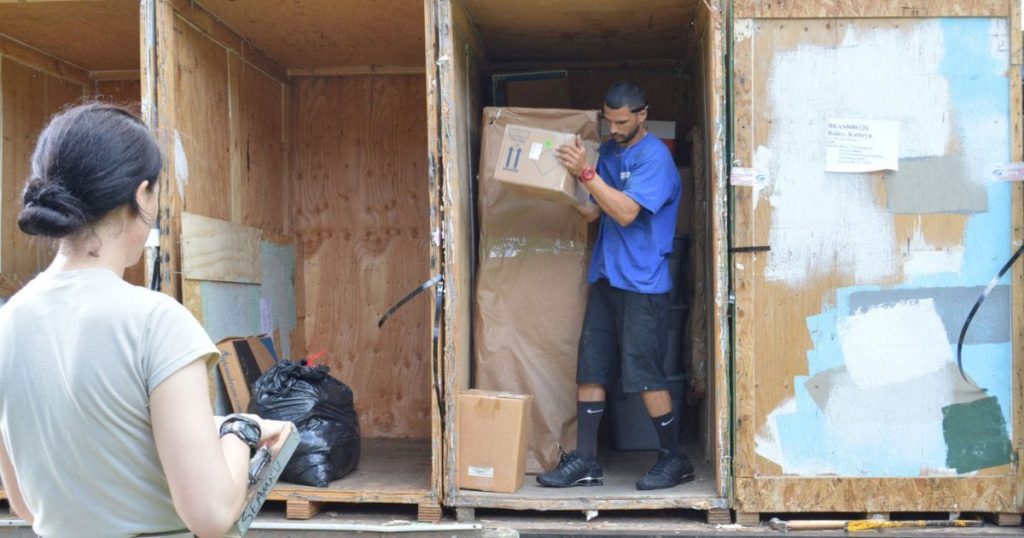
The summer Permanent Change of Station (PCS) season is the busiest time of the year for military relocations. Between mid-May and Labor Day, the Department of Defense manages roughly 300,000 personal property shipments. This massive volume strains the commercial moving industry every single year. Following the recent transition back to decentralized moving networks, families are still experiencing occasional delays and missed pickup windows during peak summer weeks.
Discovering that your moving truck is delayed can trigger immediate panic. You have an immovable report date, utility shut-off deadlines, and perhaps a home closing scheduled at your next duty station. As a real estate professional, I know that timing is everything. When the movers are late, you need a tactical plan to eliminate stress and protect your home-buying schedule.
1. Act Immediately: Document and Communicate
If your packing crew or moving truck does not arrive on the agreed-upon date, do not wait out the day in silence. You must establish a paper trail immediately.
- Contact Your Transportation Office (TO): Call your local base installation transportation office right away. Inform them of the service failure. They are your primary advocates.
- Log into your Move Portal: Open the digital platform you used to book the move. Check the official status of your shipment. Take screenshots of the confirmed dates.
- Notify Your Real Estate Team: If you are buying or selling a home, call your agent. If a delayed truck impacts your closing date or your lease termination, your agent can negotiate a seamless extension with the other party.
2. File an Inconvenience Claim
You do not have to absorb the costs of a mover’s mistake. If a Transportation Service Provider (TSP) fails to pick up your household goods on the agreed date, or misses your Required Delivery Date (RDD), you can file an Inconvenience Claim.
According to current military moving regulations, these claims reimburse you for out-of-pocket expenses caused by the delay. If your move is delayed, the moving company must pay you a flat daily rate based on local meal and incidental expenses (MIE) per diem. This funding helps cover the cost of air mattresses, paper plates, towels, or restaurant meals while you wait for your belongings. Keep every single itemized receipt from the moment the delay begins. The moving company must acknowledge your claim within five business days and reimburse you within 30 days.
3. Deploy the “Proactive Pro-Pack” Strategy
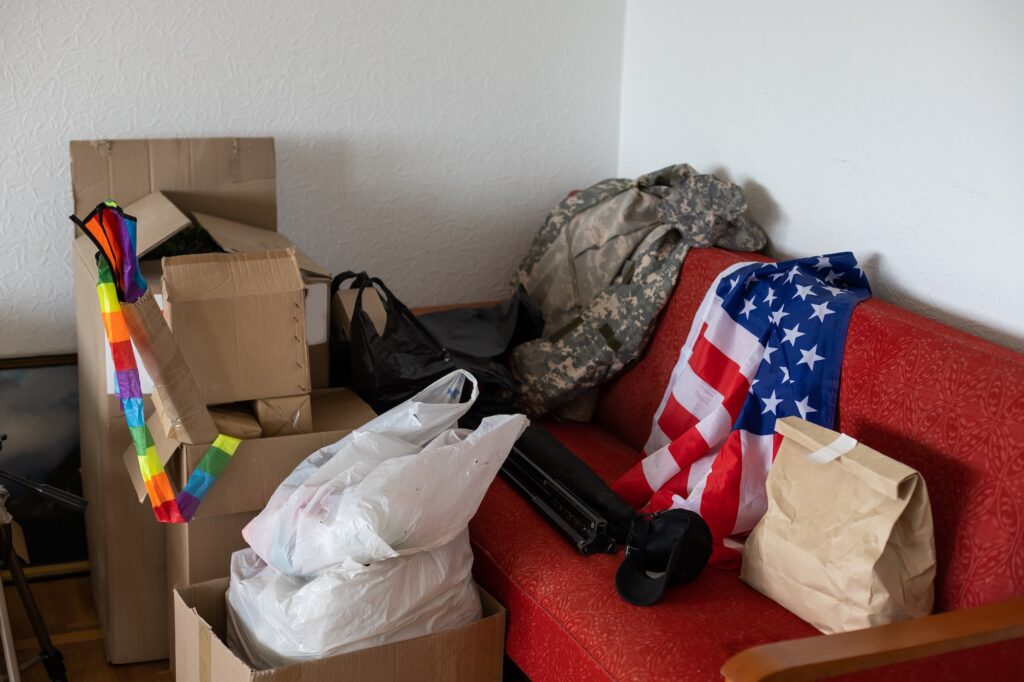
The best way to handle a moving delay is to prepare for it before the packers even arrive. When you organize your household, create a “PCS Command Zone” in a designated room or closet. Label this area clearly with tape that reads: DO NOT PACK.
Inside this zone, pack a robust set of travel bags that can sustain your family for an extra seven to ten days. Include essential electronics, uniforms, medications, important legal documents, and comfort toys for your children. If your household goods end up sitting in storage transit longer than expected, your family can comfortably transition into a temporary lodging facility without feeling completely displaced.
The Bottom Line
A delayed moving truck is a major hurdle, but it does not have to derail your 2026 homeownership goals. By understanding your rights under the inconvenience claim rules and staying in constant communication with your real estate agent, you can protect your equity and your sanity. Take a deep breath, rely on your preparation, and keep marching forward toward your next home base.